Home

Sunday, October 21, 2018

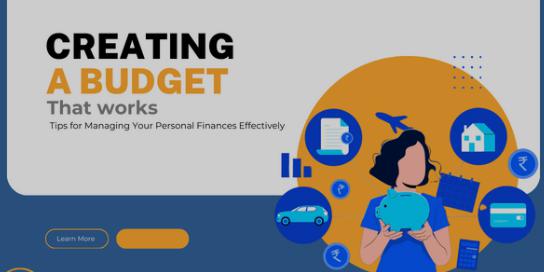
FOUR STEPS TO CREATING A BUDGET THAT WORKS


Welcome back to my blog, "Guide To Financial Empowerment".

Today, we're tackling a fundamental aspect of financial management, creating a budget that works.

Whether you're aiming to save for a big purchase or simply want to take control of your finances, mastering these steps is crucial. So, let's dive into the four steps to creating a budget that fits your lifestyle and goals.

Four Steps to Creating a Budget that Works


Step 1. Assess Your Income and Expenses

The first step in creating a budget that works is assessing your income and expenses. Take a close look at your monthly income after taxes and any additional sources of income. Then, list all your essential expenses such as rent or mortgage, utilities, groceries, transportation, and debt payments.

   Step 2. Identify Your Financial Goals

Next, identify your financial goals. Whether it's saving for a down payment on a house, paying off student loans, or building an emergency fund, clearly define what you want to achieve with your budget. This will help prioritize where your money should go each month.

Step 3. Track Your Spending

Tracking your spending is essential to creating a realistic budget. Keep tabs on where your money is going each month, whether it's through budgeting apps, spreadsheets, or simply jotting down expenses. This awareness will highlight areas where you can cut back and redirect funds toward your goals.

Step 4. Make Adjustments and Stick to Your Budget

Finally, make adjustments as needed and commit to sticking to your budget. Review your budget regularly to ensure it reflects your current financial situation and adjust categories as your income or expenses change. Remember, consistency is key to achieving your financial goals.

And there you have it, four steps to creating a budget that works for you.

By taking the time to assess your finances, set clear goals, track your spending, and stay disciplined, you'll be well on your way to financial stability and achieving your dreams. 

If you found these tips helpful, don't forget to share this with friends and family. Thanks for visiting my blog, and here's to your financial success!

Sunday, March 11, 2018

TOP 8 FINANCIAL MISTAKES TO AVOID IN YOUR 30s


Hello everyone, and welcome back to my blog, "Guide to Financial Empowerment".

Today, we're diving into a crucial topic for those in their 30s—financial mistakes. 

Whether you're just starting your career or well into it, understanding these pitfalls can make a significant difference in your financial future.

So, let's explore the top 8 financial mistakes to avoid in your 30s.

Top 8 Financial Mistakes to Avoid in Your 30s


1. Neglecting to Save for Retirement

First up, neglecting to save for retirement. It's easy to put off thinking about retirement when you're in your 30s, but this is actually the ideal time to start. Waiting too long means missing out on years of compound interest, which can significantly impact your retirement savings.

2. Living Above Your Means

Living above your means is another common trap. As your income grows, so do your expenses. It's crucial to budget wisely and avoid unnecessary debt that could haunt you later.

3. Not Having an Emergency Fund

Next, not having an emergency fund. Life is unpredictable, and having a financial cushion can prevent you from going into debt when unexpected expenses arise, like car repairs or medical bills.

4. Ignoring High-Interest Debt

Ignoring high-interest debt is a mistake that can cost you thousands of pesos in unnecessary interest payments. Focus on paying down debts with the highest interest rates first to save money in the long run.


5. Not Investing for the Future

Not investing for the future is another pitfall. While it's important to save, investing allows your money to grow faster over time. Don't miss out on the potential gains of investing in stocks, bonds, or retirement accounts.

6. Failing to Plan for Major Expenses

Failing to plan for major expenses, such as buying a home or starting a family, can lead to financial stress. Start saving and budgeting early for these milestones to avoid scrambling for funds later.

7. Overlooking Insurance Needs

Overlooking insurance needs is critical. Whether it's health insurance, disability coverage, or life insurance, having the right policies in place can protect you and your loved ones from financial hardship in times of crisis.

8. Not Seeking Professional Financial Advice

And finally, not seeking professional financial advice. A financial advisor can help you navigate complex decisions, like investing strategies and retirement planning, tailored to your specific goals and risk tolerance.


There you have it, eight financial mistakes to steer clear of in your 30s.

By being proactive and avoiding these pitfalls, you can set yourself up for a more secure financial future. If you found this information helpful, be sure to share this with anyone who might benefit. Until next time, remember, smart financial choices today lead to a brighter tomorrow.